If you want a camp to yourself and guides who know every ridge by name, think beyond a fixed calendar. The best time to visit Chyulu Hills depends on what you are willing to trade. Dry months bring the clearest wildlife sightings. Wet months bring solitude and green light that photographers chase for years. This is a green, volcanic landscape wedged between Amboseli and Tsavo. It rewards a traveler who plans around trade-offs, not one who just books the “peak season” dates everyone else picks.
What Is the Best Time to Visit Chyulu Hills for Wildlife?
The best time for wildlife viewing in Chyulu Hills is June to October. Dry conditions thin the vegetation then, and animals are more likely to gather near permanent water. January and February are also excellent, offering another relatively dry period with clearer views and fewer peak-season pressures than the main mid-year window.
Chyulu Hills is not a densely stocked reserve like the Mara. It is a conservation landscape built around the Maasai Wilderness Conservation Trust and community-owned rangeland. Wildlife moves through open grassland and forest here, rather than concentrating around a river circuit. During the dry months, elephants, buffalo, giraffe and eland become easier to find as they stick close to waterholes and springs. Camps such as Ol Donyo Lodge and Campi ya Kanzi run game drives on private conservancy land. That keeps vehicle density low even in the busiest months. That is the real appeal for a solo traveler who wants space, not just wildlife.
What Is Chyulu Hills Weather Like Across the Seasons?
Chyulu Hills has two rainy seasons. The long rains generally run from March to May, and the short rains arrive from October or November through December. June to October is the main dry season, and January to February is a shorter dry spell. Elevation makes the hills noticeably cooler than the surrounding Amboseli and Tsavo plains, so pack layers even in the warmest months.
Here is how the seasons compare at a glance:
| Season | Months | Rainfall | Wildlife Viewing | Road Conditions | Camp Rates (indicative) |
|---|---|---|---|---|---|
| Peak dry | June to October | Lowest of the year | Strong, animals gather near water | Firm, generally easy driving | Higher, peak season pricing |
| Short dry | January to February | Low | Very good, clear skies aid spotting | Firm | Moderate to higher |
| Long rains | March to May | Heaviest rainfall | Reduced, animals disperse widely | Soft, sometimes slippery | Lower, green season rates |
| Short rains | November to December | Moderate | Fair, scenery greens quickly | Variable, can be wet | Moderate |
These bands are indicative rather than fixed. Kenya’s rain patterns shift year to year, and a dry January can still bring a passing storm. Treat the table as a planning guide, not a guarantee.
What Is It Like Visiting Chyulu Hills in the Dry Season?
Visit between June and October for the most dependable safari conditions: firmer tracks, easier game drives, thinner grass and better wildlife visibility. January and February provide a second strong option, often with good Kilimanjaro clarity. Pack warm layers for cool highland mornings and nights, even when afternoons are sunny.
This is when Chyulu Hills feels closest to what a luxury solo traveler is usually chasing. Grass cover drops, so spotting is easier without binoculars glued to your face for hours. Roads across the conservancy stay firm enough for early starts and longer drives without the jolting mud runs that define the wet months. Camps like Campi ya Kanzi lean into this window with horseback riding, guided walks with Maasai trackers and stargazing sessions once the sky clears. Chyulu Hills follows a similar rhythm to Aberdare National Park’s dry-season pattern: firmer roads and better sightings when rain eases off. Aberdare sits much higher and colder, but the dry-season logic is the same. The trade-off here is crowding. July through September overlaps with peak season across Kenya, so even a low-density conservancy like Chyulu Hills sees more bookings, and rates climb accordingly.
Can You Visit Chyulu Hills During the Rainy Season?
Yes. Chyulu Hills remains visitable during the rains, but expect greener, thicker vegetation, slippery or muddy tracks and less predictable access to some trails and caves. March to May and November to December can suit travelers who prioritize solitude, dramatic landscapes and birding. These months can also mean lower rates, trading the easiest wildlife viewing and driving conditions for something quieter.
This is where Chyulu Hills quietly outperforms more famous parks for a certain kind of visitor. The hills turn a deep, saturated green that rarely shows up in brochure photography. Cloud shadows move fast across the ridgelines, and you are unlikely to see another vehicle for long stretches. Lava tube caves in the area, including sections linked to the Leviathan system, can have restricted or muddy access after heavy rain. Confirm conditions with your camp before planning a caving day. If you are weighing green-season travel elsewhere too, it helps to look at what to pack for changing Kenyan safari weather. Layering strategy matters just as much in the rains as it does in the dry months.
When Is the Best Time for Hiking, Horseback Riding and Kilimanjaro Views?
Choose the dry months for the most comfortable hiking, horseback riding and other outdoor activities, because trails and roads are generally firmer. For Kilimanjaro views, early mornings and late afternoons are often the clearest. January and February are especially strong, after the short rains and before dust builds up.
Ol Donyo Lodge built its reputation partly on horseback safaris across open grassland with Kilimanjaro as a backdrop. That experience depends heavily on ground conditions. Wet trails slow horses and hikers alike, and thick mud can close some routes entirely. Kilimanjaro itself is a shy mountain. It hides behind cloud for much of the day regardless of season. Guides generally recommend dawn or dusk for the best odds of a clear view. The short dry window in January and February often delivers the crispest air. If you are also comparing hiking-friendly regions, Naivasha and Hell’s Gate follow the same logic: trails firm up in the dry months and get harder going in the rains.
When Is the Best Time for Birdwatching and a Quieter Luxury Safari?
October to April is the strongest broad window for migratory birds, while the rainy months create vivid green scenery and flowering grasslands. Solo travelers seeking quieter camps should consider June shoulder dates, late November or the green season. Rain, thicker cover and road conditions during these months can reduce game-viewing consistency.
Chyulu Hills draws a mix of resident raptors and forest species alongside migrants that pass through from October onward. Birders who prioritize species count over guaranteed mammal sightings often prefer the shoulder months. Fewer vehicles share the conservancy then, and calls carry further across wet grass. This is also when camps quietly cut rates or add availability, since most travelers still default to the July through September window. For a solo guest who wants Campi ya Kanzi’s private setting or Ol Donyo’s Kilimanjaro suites, the peak season is not the only option. Late November and early June are worth a closer look, without the crowds.
Frequently Asked Questions
What Is the Best Time to Visit Chyulu Hills?
The best overall time is June to October for dry weather, easier driving and more reliable wildlife viewing. January and February are also excellent, particularly for clearer scenery and a quieter safari experience.
What Are the Dry Months in Chyulu Hills?
The main dry months are June to October, followed by a shorter dry period in January and February. These windows usually offer firmer roads, thinner vegetation and better conditions for game viewing and outdoor activities.
Can You Visit Chyulu Hills During the Rainy Season?
Yes, Chyulu Hills can be visited during the rainy season, but travel may involve muddy or slippery tracks and less predictable cave or trail access. The reward is greener scenery, fewer visitors and stronger conditions for migratory birdwatching.
What Is the Best Month to Visit Chyulu Hills?
July, August and September are among the safest choices for consistently dry safari conditions. January and February can be better for travelers who want a quieter atmosphere and strong Kilimanjaro views without choosing the main mid-year peak.
What Animals Can You See in Chyulu Hills?
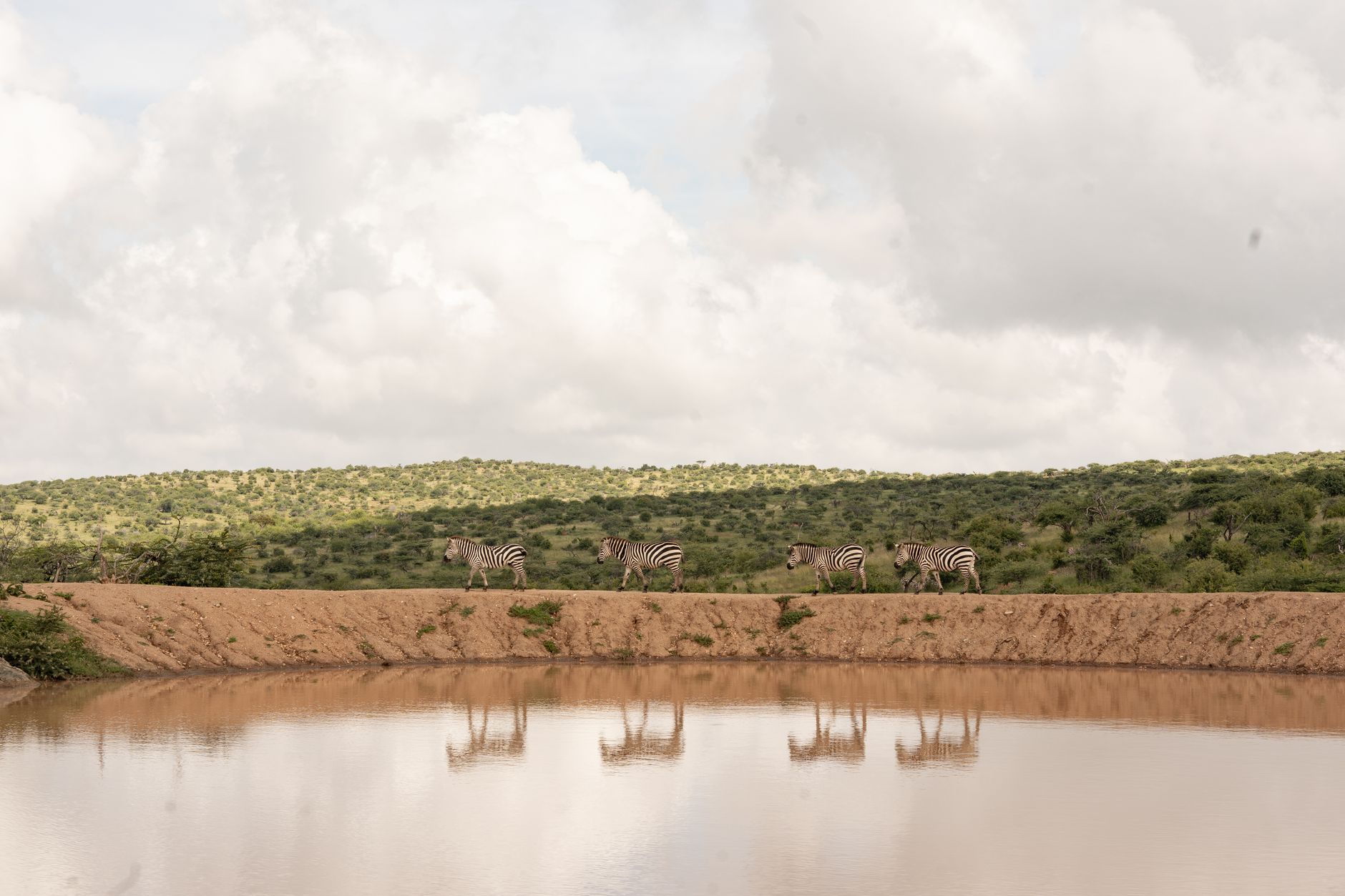
Chyulu Hills supports wildlife suited to its volcanic grassland and forest habitats, including elephants, buffalo, zebra, giraffe, antelope and predators. Sightings are less concentrated than in some heavily visited Kenyan reserves, so the area rewards patient, conservation-focused game drives rather than guaranteed Big Five encounters. Travelers chasing every Big Five sighting in Kenya may want to pair a Chyulu Hills stay with a denser reserve nearby.
Chyulu Hills is easy to combine with a wider itinerary. It sits close enough to Amboseli and Tsavo that many travelers add a few nights here before or after a more traditional circuit. That trade means giving up guaranteed sightings for privacy and a genuine conservation story tied to the Maasai Wilderness Conservation Trust.
Ready to compare dates and camps against your budget? Browse packages on FindMySafari, Valley Safaris or Trunktrails Safaris to see how a Chyulu Hills stay fits alongside the rest of your Kenya itinerary.
Where Can You Find More Kenya Safari Planning Resources?
- Best time to visit Kenya map from SafariPure
- Best time to visit Kenya from Trunktrails Safaris
- Best time to visit Kenya month-by-month map from Valley Safaris
- Compare Kenya safari packages on FindMySafari